The Role of EHS Software in Power and Energy Industries
In the power and energy industries, ensuring the safety of workers and compliance with regulations is critical. Here is where Environmental, Health, and Safety (EHS) software comes into play. It plays a significant role in helping organizations manage the complex web of safety protocols, regulatory requirements, and environmental responsibilities. These industries face significant challenges, from keeping accurate records and handling incident reports to conducting regular audits and maintaining continuous safety training. Relying on traditional methods often falls short, leading to inefficiencies and increased risk. EHS software provides a comprehensive solution to these challenges, helping organizations protect their workers and the environment.
Benefits
Improve Safety Performance and Reduce Incidents
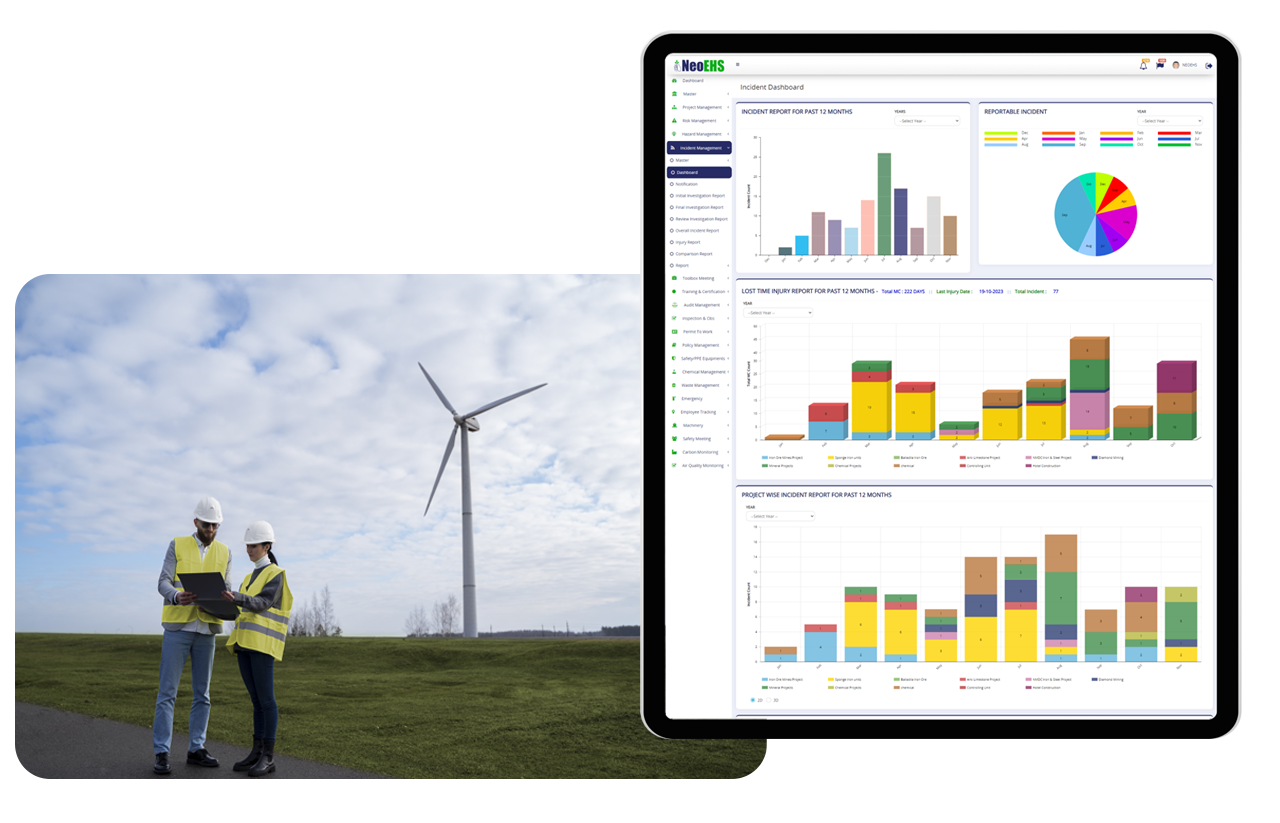
EHS software equips organizations with tools for detailed incident management, risk assessments, and proactive hazard identification. This leads to a safer work environment and fewer accidents.
Streamline Compliance Management and Reporting
Automated tracking and reporting features ensure that organizations stay compliant with regulations efficiently, reducing the risk of violations and associated penalties.
Enhance Operational Efficiency and Productivity
By automating routine EHS tasks and integrating them into daily operations, organizations can improve productivity and allocate resources more effectively.
Mitigate Risks and Minimize Environmental Impact
EHS software helps identify and mitigate risks early, leading to reduced environmental impact and better sustainability practices.
Key Features of EHS Software for Power and Energy Companies
Incident Management and Reporting
Allows real-time reporting and tracking of incidents, near-misses, and corrective actions, making it easier to respond swiftly.
Risk Assessment and Hazard Identification
Offers tools for comprehensive risk assessments and identifying potential hazards before they become issues.
Safety Training and Certification Tracking
Manages and tracks safety training programs and employee certifications, ensuring everyone is up-to-date and prepared.
Audit and Inspection Management
Simplifies the scheduling, execution, and documentation of audits and inspections, ensuring nothing is overlooked.
Environmental Compliance Monitoring
Keeps track of environmental metrics and ensures compliance with environmental regulations, helping companies stay green.
Emergency Response Planning
Develops and manages emergency response plans, ensuring readiness in case of emergencies.
Implementing EHS Software in Power and Energy Industries
Conduct a Thorough Needs Assessment
Understand the specific needs and challenges of your organization to find an EHS software solution that fits perfectly.
Involve Key Stakeholders in the Decision-Making Process
Engage safety officers, IT staff, and management in selecting the software to ensure it meets everyone’s needs.
Select a User-Friendly and Customizable Software Solution
Choose software that is intuitive and can be customized to fit your organization’s unique processes.
Ensure Seamless Integration with Existing Systems
Integrate the EHS software with current operational systems to ensure smooth data flow and consistency.
Provide Comprehensive Training and Ongoing Support
Offer thorough training for all users and ensure ongoing support to address any issues and updates.
Successful Implementation of EHS Software in Power and Energy Companies
Several organizations in the power and energy sectors have reaped significant benefits from implementing EHS software. For example, a major utility company saw a 30% reduction in incident rates and improved regulatory compliance through automated reporting. Another energy firm achieved substantial cost savings by streamlining safety training and audit processes, leading to a more efficient allocation of resources and improved safety records.
Future Trends and Innovations in EHS Software for Power and Energy Industries
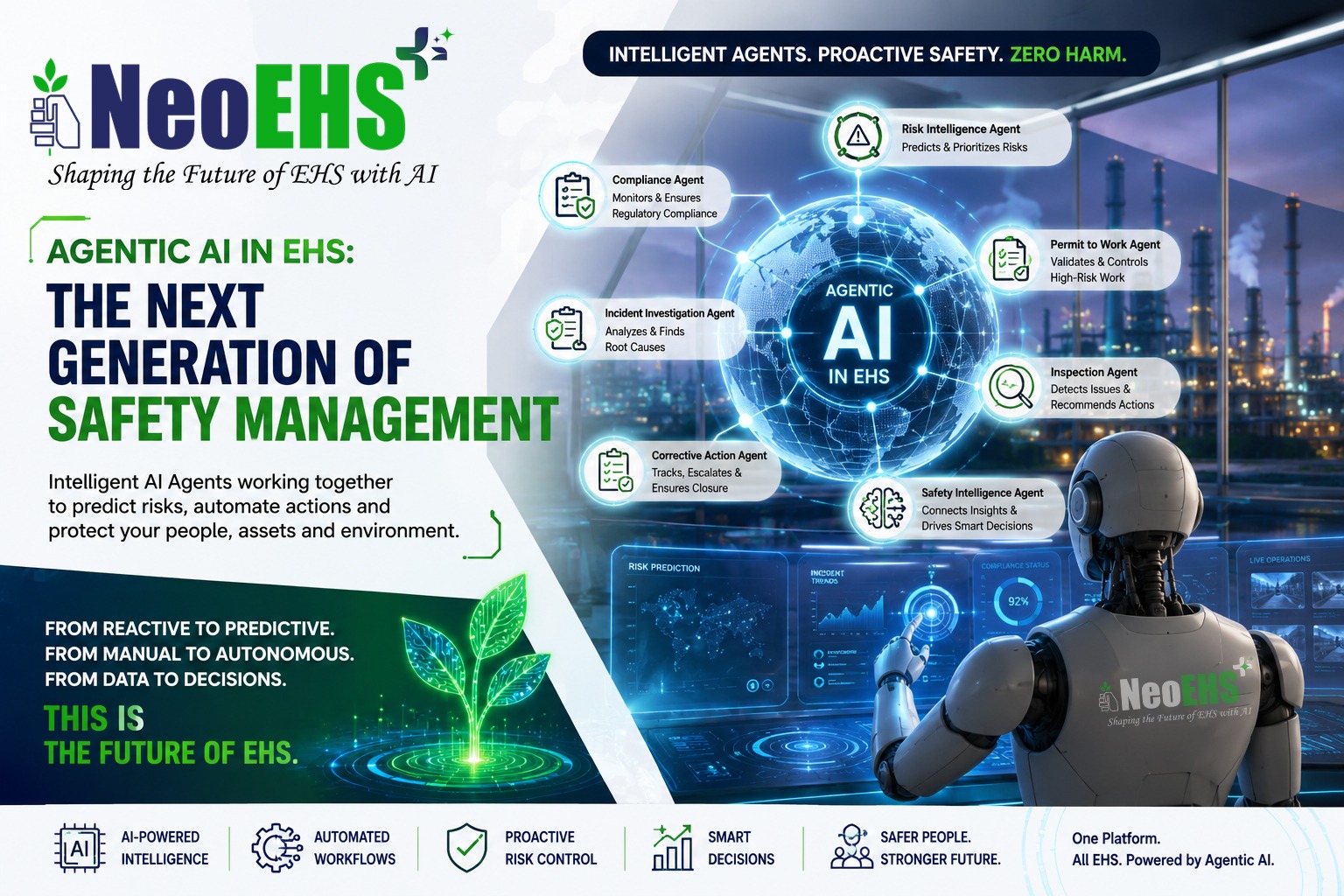
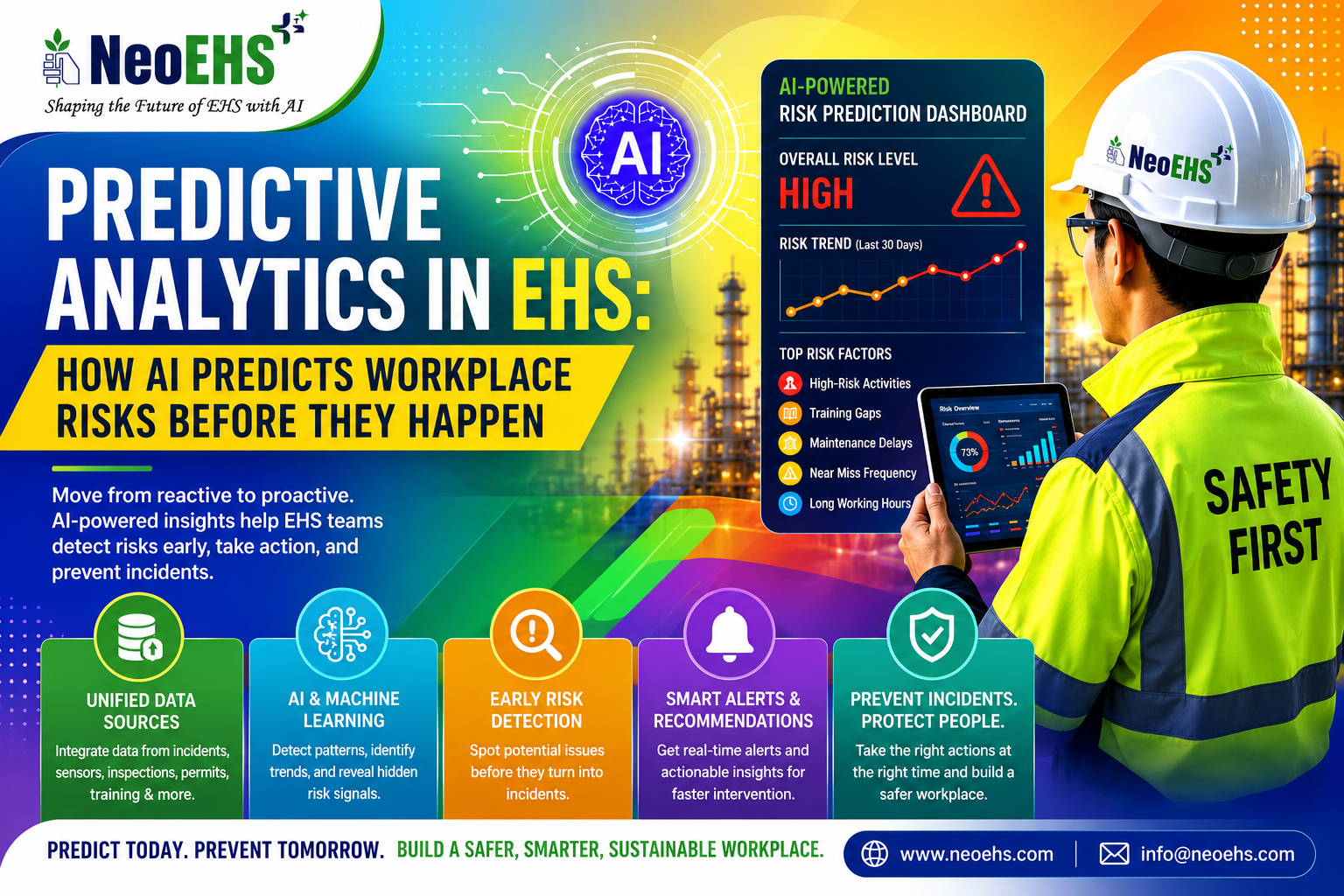
New technologies like the Internet of Things (IoT), Artificial Intelligence (AI), and predictive analytics are transforming EHS management. IoT enables real-time monitoring of environmental and safety parameters, while AI and predictive analytics provide insights for proactive risk management. Additionally, integrating EHS software with other operational systems creates a unified platform for holistic risk management, enhancing overall organizational resilience.
Bottom Line
EHS software is indispensable for ensuring a safe and compliant working environment in the power and energy industries. It offers significant benefits, including improved safety performance, streamlined compliance management, enhanced operational efficiency, and effective risk mitigation. By adopting best practices and leveraging emerging technologies, organizations can achieve substantial improvements in safety, compliance, and sustainability, ultimately protecting their workforce and the environment.