Unlocking the Potential of Advanced EHS Software in a Tech-Driven Era
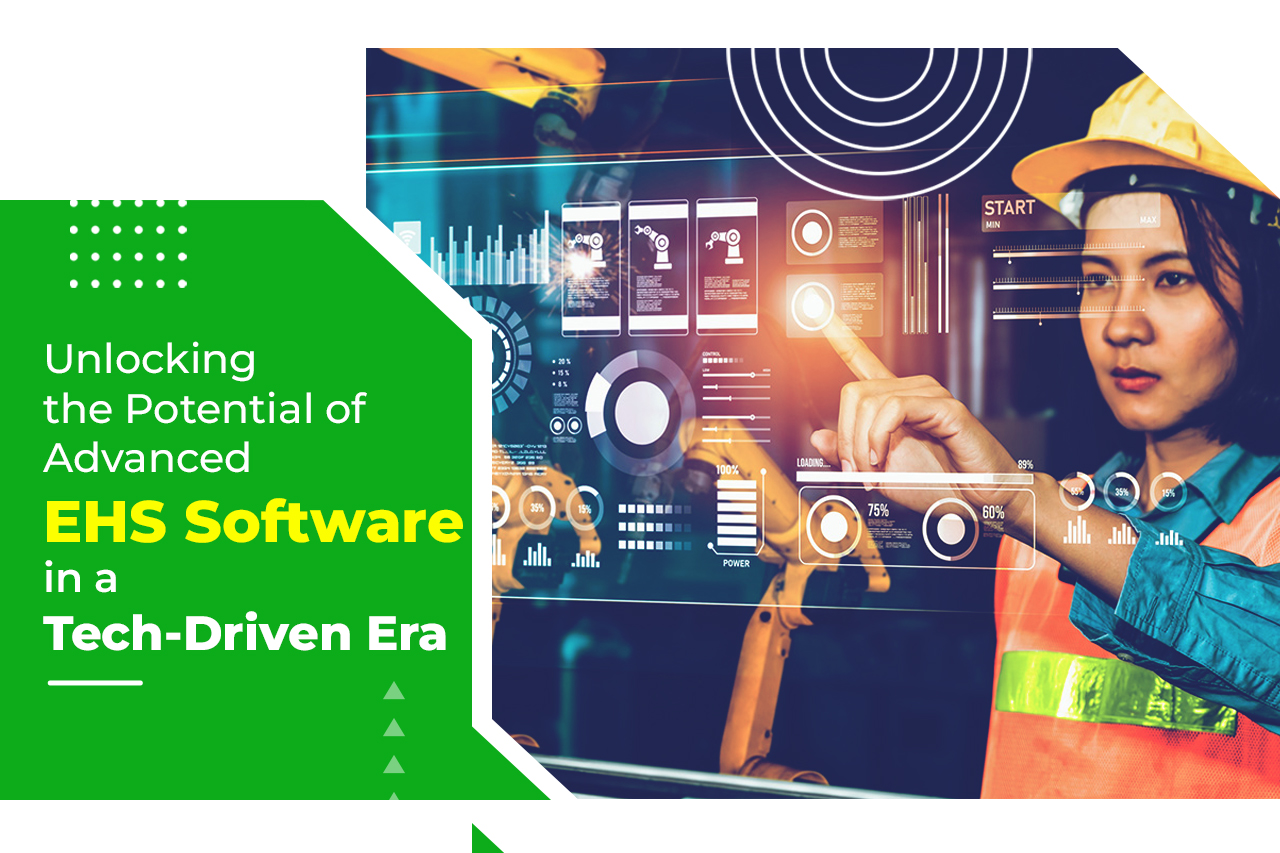
Unlocking the potential of advanced EHS software is a commitment to creating a safer, healthier, and more sustainable future. Environmental, Health, and Safety (EHS) software has become essential for organizations establishing a sustainable and secure workplace. It includes a variety of instruments intended to oversee and track an entity's adherence to safety, occupational health, and environmental rules.
Technology is essential to increasing productivity and performance in today's business world. The software uses technology innovations to improve operational efficiency, expedite compliance procedures, and improve safety measures.
The Evolution of EHS Software
Earlier, EHS management relied on a lot of paperwork and laborious documentation. This method's efficacy in handling changing workplace difficulties was constrained by its length and error-prone nature.
Advanced EHS software
Advanced EHS software introduced automated solutions that completely changed safety management, shifting the paradigm. These systems combine cutting-edge technologies to provide predictive analytics, streamlined compliance procedures, and real-time insights.
Benefits And Features
The perks of advanced workplace safety software extend beyond compliance. This software provides many benefits, including enhanced safety monitoring, efficient incident response, and predictive analytics for proactive risk management. Here, in this section, let's explore the multifaceted advantages of embracing modern EHS solutions.
Key Features of Advanced EHS Software
Instantaneous Monitoring and Analysis of Data
Health and safety software streamlines collecting and analyzing data in real-time, enabling organizations to track safety metrics promptly. This functionality increases rapid responses to potential hazards, improving workplace safety.
Enhanced Safety and Risk Management through IoT Device Integration
Integrating Environmental, Health, and Safety software with Internet of Things (IoT) devices boosts safety monitoring by providing real-time updates on safety conditions. Through sensors and devices, inconsistency can be detected, allowing for an instant response to potential risks and preventing escalation.
Mobile Accessibility For On-The-Go EHS Management
The mobility of advanced health and safety software ensures that safety and risk management can be done anytime, anywhere. Users can access critical data and respond to incidents instantly. This feature can foster a culture of safety on the go.
Automation Of Compliance And Reporting Processes
A key highlight of workplace safety software is its ability to automate compliance and reporting tasks. It simplifies adhering to regulations and minimizes human errors, ensuring that organizations consistently comply with evolving standards.
Predictive Analytics For Proactive Risk Management
Predictive analytics tools leverage historical data analysis to identify root cause patterns and potential risks. This proactive approach empowers organizations to implement preventive measures, minimizing the likelihood of accidents and incidents.
Unlocking the Potential of Advanced EHS Software
Improved Workplace Safety
- Incident Reporting and Response in Real Time
Advanced EHS software facilitates immediate incident reporting and response, ensuring prompt action to minimize the impact of accidents or hazards.
- Proactive Hazard Identification and Mitigation
Organizations can proactively identify potential hazards before they escalate by utilizing predictive analytics and real-time monitoring, contributing to a safer work environment.
Streamlined Compliance Management
- Automation of Regulatory Reporting
Compliance management is enhanced through automation, ensuring accurate and timely regulatory reporting and reducing the risk of non-compliance penalties.
- Simplification of Audit Processes
EHS software simplifies audit processes by centralizing documentation and providing easy access to compliance records, resulting in smoother audits.
Enhanced Operational Efficiency
- Centralized Data Management and Accessibility
This software centralizes data management, making information easily accessible to stakeholders and streamlining decision-making processes.
- Integration with Other Business Systems for Seamless Operations
Integration capabilities enable software to collaborate with other business systems, fostering a seamless operational environment.
Best Practices for Successful Implementation
Comprehensive Assessment
Conducting a thorough needs assessment is crucial for understanding organizational requirements and selecting the right EHS software tailored to meet specific needs.
Selection of a Reputable Software Vendor
Choosing a reputable vendor with a proven track record is essential to ensure the reliability and effectiveness of the selected workplace safety software.
Implementation Plan
A well-thought-out implementation plan should cover all aspects, from data migration to training, ensuring a smooth transition to the new safety software.
Provision of Adequate Training and Support for Users
Comprehensive training programs and ongoing support are vital for maximizing user adoption and leveraging the full potential of workplace safety software.
Final Thoughts
In the ever-evolving landscape of EHS management, unlocking the full potential of advanced EHS software becomes paramount. The advancement in technology and EHS solutions ensures regulatory compliance and creates a proactive approach to risk mitigation and sustainability.
By enhancing innovation, organizations can streamline their EHS processes, improve data accuracy, and empower decision-makers with real-time insights. Integrating artificial intelligence, machine learning, IoT technologies, and predictive analytics enables businesses to prevent incidents before they occur. This holistic approach safeguards the well-being of employees and the environment and enhances operational efficiency and overall business resilience.